Which Asphalt Shingles Perform Best in Baton Rouge’s Heat and Humidity
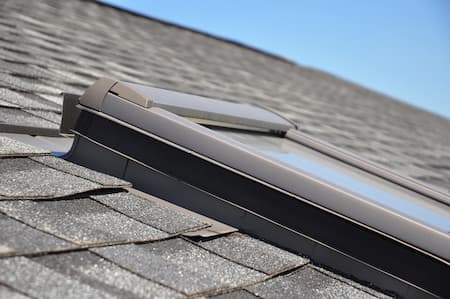
If you’re comparing asphalt shingles Baton Rouge homeowners can trust, you’re already asking the right question. The Gulf heat, sticky humidity, sudden downpours, and long storm season in neighborhoods like Mid City, Garden District, Southdowns, and Shenandoah demand a shingle system built for our climate, starting with the right product and continuing with proper attic airflow and components. To see the styles and system parts that fit our weather, explore our asphalt shingle options, and use this guide to narrow your choice.
Best Asphalt Shingles in Baton Rouge: What Matters Most
Not all shingles are built the same, and Baton Rouge puts them to the test. The winners handle sun, moisture, and wind while holding their color and resisting stains.
- Algae resistance that fights black streaks in shady, humid areas.
- Heat-reflective granules that lower the roof surface temperature.
- Balanced attic ventilation so shingles last and warranties stay valid.
- Strong wind sealing and storm-ready accessories for summer squalls.
- Warranties that clearly spell out algae, wind, and transfer terms.
Algae-Resistant Technology That Keeps Roofs Looking New
Our humidity plus tree cover along Old Jefferson and Broadmoor creates a perfect setting for blue-green algae that causes those dark roof streaks. Look for shingles that embed copper or zinc-containing granules across the entire shingle surface rather than only in limited strips. This helps slow growth, especially on north-facing slopes or beneath large live oaks.
Choose shingles labeled for long-term algae resistance when your roof has heavy shade or frequent afternoon showers. You’ll see fewer stains and your curb appeal will stay stronger between cleanings.
Heat-Reflective Granules and Higher Solar Reflectance
Sunload in late spring and summer is intense in Baton Rouge, and lighter, cool-tone colors with reflective mineral granules can reduce roof surface temperature compared with deep, heat-absorbing tones. That difference helps shingles keep their flexibility and seal, especially during July and August. If your attic gets hot and stuffy or you notice shingles drying out faster on the south and west sides, a more reflective blend can help the whole system perform better.
Ask about reflective color options that still match your home’s style. Many architectural shingles now deliver a dimensional look while boosting reflectance, so you don’t have to choose between performance and design.
Proper Attic Ventilation for Shingle Life and Warranty Protection
Even the best shingles can struggle if your attic traps heat and moisture. Balanced airflow means you have both intake vents at the eaves and exhaust near the ridge, so air moves across the entire attic. This helps the deck stay dry, keeps shingle temperatures more stable, and supports long-term performance.
- Intake at soffits or smart edge vents for steady fresh air.
- Exhaust at a continuous ridge vent or compatible exhaust devices, sized to match the intake.
Some manufacturer warranties require proper ventilation details to stay in force. If you’re replacing a roof after a storm, confirm the ventilation plan before shingles go on. It’s a small step that protects your roof investment for years.
Wind, Rain, and Storm Season Performance
Afternoon thunderstorms and tropical systems bring gusty winds, wind-driven rain, and rapid pressure changes. Shingles with strong adhesive strips and rated wind coverage, paired with correct starter shingles and nails, stand up better when squalls roll over the river from Port Allen or sweep across Shenandoah. A complete system with matching starter, field, and hip-and-ridge pieces closes off the edges where uplift often begins.
Fast weather swings are common here. A shingle that seals quickly in warm weather and stays flexible in cooler snaps will be more reliable when the first summer storm catches you by surprise.
Underlayments and Components That Handle Humidity
Underlayment is your roof’s hidden moisture manager. In humid zones like ours, synthetic underlayments typically offer superior tear resistance and less sag over time compared with many felt options. Add leak barriers in valleys and around chimneys to guard high-risk areas during intense downpours.
Don’t forget ridge and hip caps designed for your main shingle. Mixing brands and profiles can leave gaps that let in wind-driven rain. Matching pieces keep water out and look cleaner from the curb.
Warranties Baton Rouge Homeowners Should Understand
Warranty coverage varies by manufacturer and product line, but the fine print matters in our climate. Read how long algae resistance is covered, the wind speed rating, and years of wind protection, and whether ventilation and matching components are required. If you might sell your home in the next few years, look for a warranty that allows a one-time transfer so the next owner benefits too.
Keep your paperwork, shingle label, and photos of the finished roof so any future claim goes smoothly. Clear documentation makes a big difference when time has passed, and details fade.
Color and Style Choices That Hide Stains and Reduce Heat
Color is more than style here. Cooler, lighter blends reflect more sun, while softly variegated architectural patterns can disguise pollen film and minor algae between cleanings. Choose a color that works with your brick or siding, but also fits the tree cover around your home.
- Light to medium blends can help manage heat.
- Dimensional patterns hide normal weathering better than flat tones.
If your home sits under large trees in the Garden District or Southdowns, a dimensional, mid-tone blend often looks fresher longer between maintenance visits.
Signs Your Shingles Are Struggling in Baton Rouge’s Climate
Watch the roof during bright afternoons and after heavy rain. Streaking, granule washout at downspouts, curling at the edges, and repeated blow-offs along ridges or eaves may signal age or a system mismatch with our weather. Granules in the gutters after a rough storm are common, but heavy, ongoing loss points to stress from heat or ventilation issues. If you see daylight in the attic, damp insulation near eaves, or a musty smell, the roof system needs attention.
How To Choose the Right System for Your Home
Start with a shingle that lists algae resistance, a strong wind rating, and color choices that fit your surroundings. Then confirm the system details: synthetic underlayment, leak barriers in key areas, proper starter, matching ridge caps, and a balanced ventilation plan. If you want a deeper look at styles and performance options for Baton Rouge, visit our asphalt shingles page to see how each choice handles heat and humidity.
When you’re ready, work with a local roofing company that understands storm timing, afternoon heat indexes, and local neighborhood conditions. That local insight helps you match the shingle and system to your exact home setting, from wide-open sun in Shenandoah to heavy shade in Mid City.
Get a Roof Built for Baton Rouge Weather
Choosing the right asphalt shingle in Baton Rouge isn’t only about a pretty sample board. It’s about a complete system that resists algae, reflects heat, ventilates properly, and locks down against gusty summer storms. Leo Construction & Multiservice helps you weigh color, profile, wind coverage, and ventilation so your home looks sharp and stays protected all year.
Want a closer look at options that perform in our climate and on homes like yours across Sherwood Forest, Old Jefferson, and beyond? Compare finishes, features, and system parts on our asphalt shingle options and see what fits your roof design.
Ready to protect your home with a climate-smart roof installed by local pros? Call Leo Construction & Multiservice at 225-828-8337 to schedule your on-site assessment today.
Get A Free Estimate & Roof Inspection Today By Your Trusted Baton Rouge Roofing Contractor